
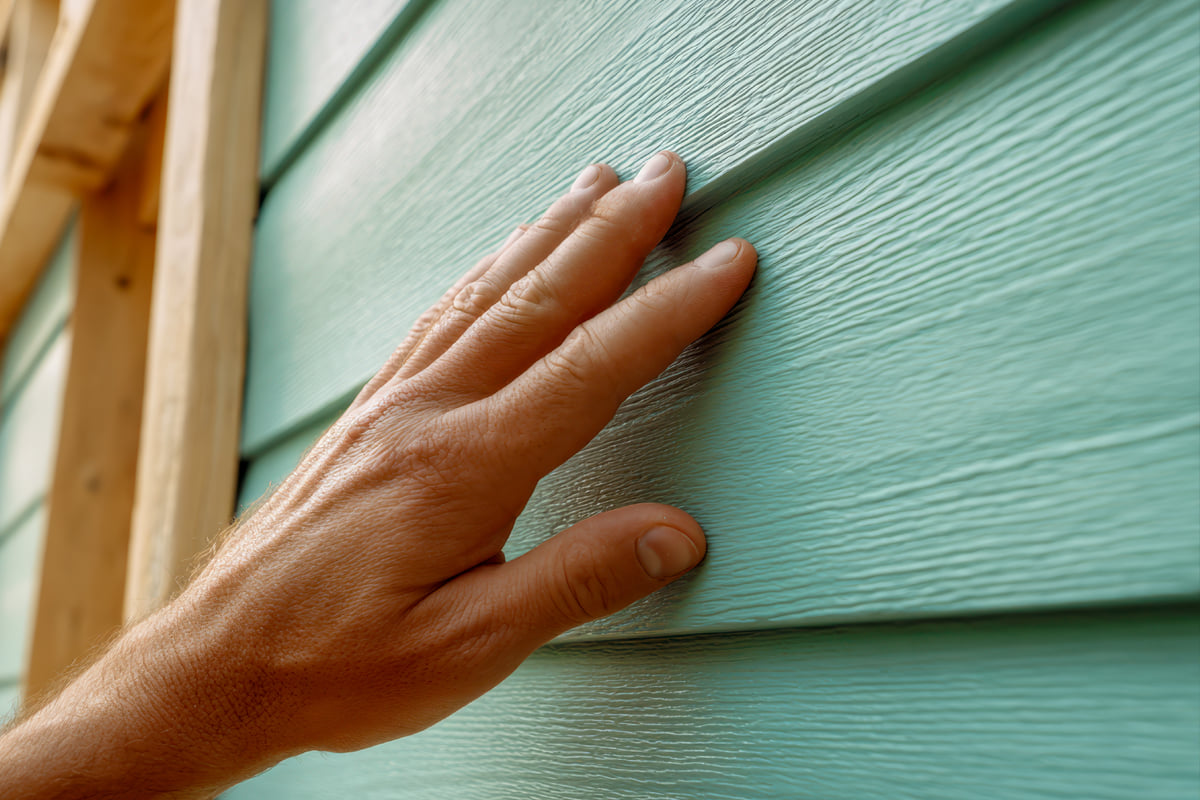
Can You Paint Vinyl Siding?
Vinyl siding is popular for a reason. It is relatively low maintenance, holds up well against the elements, and does not require the routine scraping and repainting associated with many older exterior materials. Still, even durable siding can begin to look dated after years of sun exposure, weather, and changing home design trends. If the siding itself remains in good condition but the color no longer works for you, replacing everything can feel unnecessary.
That raises a common question among homeowners: Can you paint vinyl siding? In many cases, the answer is yes. Painting vinyl siding can give a home a noticeably different appearance without requiring a complete siding replacement, although the project needs to be approached correctly. The type of paint, preparation process, existing siding condition, and color choice all play a role in how well the finished surface performs.

Painting Vinyl Siding Is Possible
Modern exterior paints make it possible to paint many types of vinyl siding successfully, provided the surface is properly cleaned and the right products are used. Vinyl behaves differently from wood, fiber cement, brick, and other exterior materials, which means simply applying leftover exterior paint is not a good strategy.
Because vinyl expands and contracts as temperatures change, the coating applied to it needs to tolerate that movement. Paint manufacturers offer exterior products designed to remain flexible while adhering to vinyl surfaces, helping reduce the likelihood of cracking, peeling, or losing adhesion as the siding responds to seasonal temperature changes.
Painting also works best when the siding remains structurally sound. If the panels are intact, properly secured, and free from major deterioration, a new coating may provide an effective cosmetic update. Paint, however, cannot correct problems such as significant warping, widespread cracking, loose panels, or damage underneath the siding.
Why Would You Paint Vinyl Siding Instead of Replacing It?
Color is one of the most common reasons homeowners consider painting. A siding color that seemed attractive 15 or 20 years ago may no longer complement updated roofing, windows, doors, landscaping, or other exterior features. Painting provides an opportunity to modernize the home without removing siding that still performs well.
Cost can also influence the decision. Painting generally involves less material and labor than removing an entire siding system and installing new panels, particularly when the existing siding remains in good condition. For homeowners who primarily want a visual change rather than a structural upgrade, painting may offer a practical middle ground.
Replacement becomes more attractive when problems go beyond appearance. If siding has become brittle, cracked, badly distorted, or repeatedly detached, investing money in paint may only improve the surface while leaving the underlying concerns unresolved.
The Condition of Your Siding Matters
Before painting begins, the siding should be evaluated carefully. Small cosmetic imperfections are one thing, but substantial physical damage may indicate that replacement or repair deserves attention first. Paint creates a new finish, but it does not restore strength to weakened vinyl.
Look for cracked panels, loose sections, holes, severe fading, bulging, buckling, or areas that appear distorted. It is also worth examining the areas around windows, doors, corners, and penetrations, where siding problems or water intrusion can sometimes become more noticeable.
Homeowners should also remember that siding is only the visible layer of part of the exterior wall system. If staining, moisture problems, mold, or unusual movement suggests something is happening behind the panels, identifying the source of the problem is more important than immediately covering the surface with paint.
How Should Vinyl Siding Be Prepared for Paint?
Preparation is one of the biggest factors separating a durable paint job from one that begins peeling prematurely. Vinyl siding accumulates pollen, dirt, dust, mildew, algae, and other contaminants that can prevent paint from bonding properly if they remain on the surface.
The siding should therefore be cleaned thoroughly before painting. Depending on the condition of the exterior, this may involve gentle washing with an appropriate cleaning solution and careful rinsing. Aggressive pressure washing can create problems if water is forced behind the siding, particularly around seams, openings, and trim.
After washing, the siding needs time to dry completely. Painting over damp or contaminated surfaces can interfere with adhesion and leave the finished exterior looking uneven. Any damaged or loose siding should also be repaired before coating begins so that the paint is being applied to a stable surface.
Choosing the Right Paint Is Essential
Not every exterior paint is appropriate for vinyl. Because the material expands when heated and contracts as it cools, the paint needs enough flexibility to move with the siding instead of becoming brittle.
High-quality acrylic exterior paints are commonly used for vinyl because they provide strong adhesion and flexibility. Depending on the product and the existing finish, a primer may or may not be required, so the manufacturer's specifications should be followed rather than assuming every project needs the same system.
Using a coating specifically approved for vinyl is particularly important. A product may perform very well on wood or masonry while still being poorly suited to a vinyl substrate. Choosing paint based only on color or price can create avoidable problems later.
Can You Paint Vinyl Siding a Darker Color?
You can often change the color of vinyl siding, but moving dramatically darker requires careful consideration. Vinyl absorbs heat from sunlight, and darker colors generally absorb more heat than lighter ones.
That extra heat can increase the surface temperature of the siding, potentially contributing to warping or distortion if the siding was not manufactured to tolerate those temperatures. This is one reason homeowners should not automatically assume that any exterior paint color can safely be applied to existing vinyl.
Many paint manufacturers now offer vinyl-safe color selections that are formulated with this issue in mind. When choosing a new shade, homeowners should review the paint manufacturer's recommendations and consider the original siding color before making a major jump from light siding to a substantially darker appearance.
Weather Conditions Affect the Finished Result
Exterior painting is heavily influenced by weather, and vinyl siding is no exception. Extremely hot surfaces can cause paint to dry too quickly, while cold or damp conditions may interfere with proper curing.
Painting in direct, intense sunlight can also make application more difficult because one part of the wall may heat considerably more than another. Working under suitable temperature and humidity conditions gives the coating a better opportunity to level, adhere, and cure as intended.
Rain is another obvious concern, but moisture can be a problem even when precipitation is not falling. Morning dew, recent washing, or high humidity may leave enough moisture on the siding to affect the coating, which makes timing an important part of any exterior project.
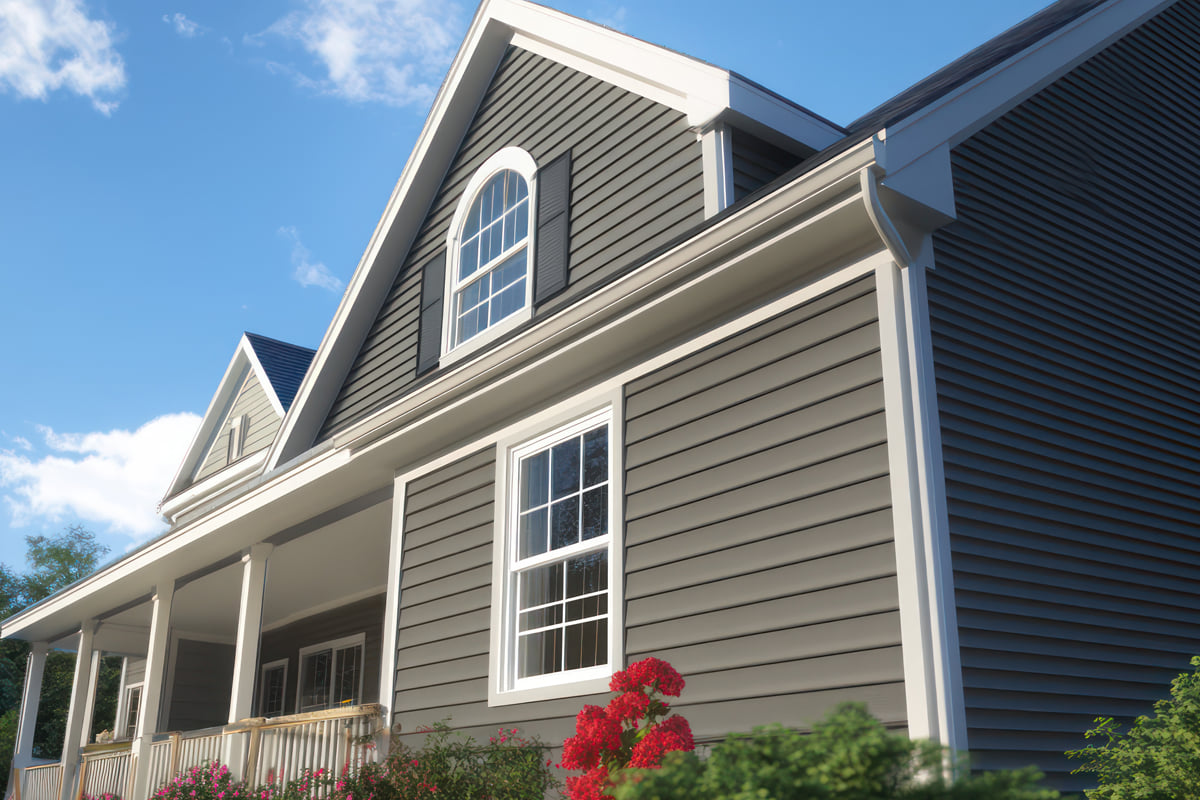
How Is Paint Applied to Vinyl Siding?
Vinyl siding can be painted with brushes, rollers, spray equipment, or a combination of methods. The most appropriate technique depends on the layout of the house, the siding profile, the paint being used, and the experience of the person performing the work.
Spraying can provide efficient coverage across large siding surfaces, although careful preparation and masking are required to protect windows, roofing, landscaping, fixtures, and neighboring surfaces. Brushes and rollers can provide greater control in smaller areas, around trim, and where overspray would be difficult to manage.
Regardless of the method, even coverage is more important than applying an excessively heavy coat. Multiple properly applied coats may produce better results than trying to achieve complete coverage with one thick layer.
How Long Does Painted Vinyl Siding Last?
The lifespan of painted vinyl siding depends on several variables, including the quality of the paint, surface preparation, climate, sun exposure, application technique, and condition of the siding underneath.
A properly completed project can provide years of service before repainting becomes necessary, but painted siding does introduce maintenance that the original factory-finished vinyl may not have required. Eventually, the coating may fade, weather, or need another coat.
Different sides of the same house may also age at different rates. Walls that receive intense afternoon sunlight can experience more ultraviolet exposure than shaded areas, while sides facing prevailing weather may encounter more moisture and environmental wear.
Painting Cannot Fix Every Siding Problem
There is a point at which painting becomes more of a temporary cosmetic measure than a meaningful improvement. Severely damaged siding may look somewhat better after painting, but cracked, brittle, loose, or badly warped panels still have the same physical problems underneath the new color.
Repeated repairs can be another warning sign. If sections of siding frequently come loose, water is getting behind the exterior, or numerous panels need replacement, it may make more financial sense to evaluate the entire siding system rather than continue addressing individual symptoms.
Paint should enhance siding that is still doing its job. It should not be used to disguise exterior conditions that need proper repair.
When Does Siding Replacement Make More Sense?
Replacement deserves consideration when the existing material is nearing the end of its useful life or when damage is widespread enough that preparation and repairs would become substantial. New siding also gives homeowners the opportunity to address concerns that paint alone cannot change, including panel condition, installation problems, and certain exterior performance issues.
A homeowner planning a larger renovation may also prefer replacement if the project includes new windows, major trim changes, exterior insulation work, or other upgrades that will already require significant disturbance to the existing siding.
On the other hand, replacing functional siding simply because the color has become outdated may be unnecessary. The best choice depends on whether the problem is primarily cosmetic or whether the siding itself is beginning to fail.
Should You Paint Vinyl Siding Yourself?
Painting siding may appear straightforward from the ground, but exterior work becomes more complicated once ladders, multiple stories, detailed masking, surface preparation, and changing weather conditions enter the picture.
A do-it-yourself project also requires careful product selection. Using the wrong paint, choosing an unsuitable color, skipping preparation, or applying the coating under poor conditions can shorten the life of the finish and potentially create problems with the siding itself.
Professional contractors can evaluate the condition of the exterior before work begins, recommend appropriate materials, and determine whether painting is worthwhile or whether damaged areas need attention first. That assessment can be especially valuable when homeowners are uncertain whether their siding problems are purely visual.
What About Siding Warranties?
Homeowners should review any existing siding warranty before painting. Depending on the manufacturer and warranty terms, applying paint could affect coverage.
The same consideration applies when choosing paint. Manufacturer instructions may specify suitable surfaces, temperature ranges, preparation requirements, recommended colors, and other application conditions that should be followed closely.
Taking a few minutes to confirm those details before starting can prevent a cosmetic update from creating an unexpected warranty issue.
A Fresh Exterior Starts With the Right Approach
Painting vinyl siding can be an effective way to refresh a home's appearance when the existing panels are still in good condition. With thorough preparation, vinyl-compatible paint, an appropriate color, and careful application, homeowners can give an older exterior a noticeably updated look without automatically committing to full replacement.
The important question is not simply whether vinyl siding can be painted, but whether painting makes sense for the condition of your particular home. Martin Pitts Construction can help evaluate your exterior, identify siding that may need repair or replacement, and discuss the options that fit your home's condition and your goals. If you are considering an exterior update, professional guidance can help you choose a solution that looks good while protecting the performance of your home.
Get in touch with us today:
Call us at 817-750-2900


Martin Pitts
Roofing & Construction
Serving the Keller / Fort Worth Area
5613 Bowie St.
Watauga, TX 76148
Areas Served
© 2026 All Rights Reserved | Privacy Policy | Martin Pitts Construction