
Roof Maintenance Guide
Do’s and Don’ts of Roof Cleaning in Texas
Roof cleaning in Texas sounds simple until you actually start thinking through what your roof deals with every single year. Between scorching sun, sudden downpours, heavy pollen seasons, and the kind of wind that loves to dump debris into every valley and corner, Texas roofs get dirty in ways that creep up on you. One day the shingles look fine, and the next you notice dark streaks, clumps of gunk near the gutters, or a dull, dusty film that makes the whole home look tired. Cleaning the roof the right way can bring back curb appeal fast, while also helping you avoid bigger problems hiding under that grime.

The tricky part is that roof cleaning is one of those chores where the wrong move can do more harm than good. Aggressive pressure, the wrong chemical mix, or one careless step on a hot roof can create damage that costs far more than the cleaning ever would. A smart approach focuses on preserving the roof system, not just making it look brighter for a weekend. If you want your roof to last through Texas summers and keep protecting your home, the do’s and don’ts matter more than most homeowners realize.
What Makes Roof Cleaning in Texas Different
Texas weather pushes roofing materials hard, and that changes how you should think about cleaning. High UV exposure bakes surfaces and dries out protective oils in shingles faster than milder climates, which means anything abrasive can shorten the roof’s lifespan. At the same time, many parts of the state deal with humidity spikes, heavy rain cycles, and long pollen seasons that create the perfect recipe for staining. When heat, moisture, and organic buildup overlap, roofs hold onto grime like it has a personal mission.
Storm patterns also play a role, especially when wind-driven rain forces debris into places you never notice from the ground. After a rough weather season, it is common to see clogged drainage paths, streaking where water keeps running over the same area, and buildup along roof edges where airflow is weaker. Those stains can look cosmetic, yet they often point to water flow problems that should be corrected. The Texas reality is that roof cleaning is part maintenance, part prevention, and part “keep an eye on what the weather is doing to your home.”
Start With a Roof Check, Not a Hose
A proper roof cleaning in Texas starts with a quick inspection, because cleaning without a plan is how people accidentally damage roofing materials. Walking the property and looking up from multiple angles can tell you a lot, even before you climb a ladder. Dark streaks, green patches, and heavy debris piles tend to show up in the same zones, like shaded areas, behind chimneys, and near overhanging trees. Those patterns help you choose a method that actually fits what you are seeing.
A roof check is also where you spot issues that cleaning will not fix, such as lifted shingles, exposed nails, cracked flashing, or sagging areas near the decking. Water intrusion signs around vents and pipe boots are another big one, because chemicals and rinse water can worsen a weak seal. Even something like a clogged gutter can change how water drains off the roof, which influences where staining returns. When you treat roof cleaning like a quick project instead of a maintenance task, small problems stay hidden until they become expensive repairs.
Do Match the Method to the Material
Texas homes use a wide range of roofing materials, and the cleaning method should always follow the roof type. Asphalt shingles, metal panels, concrete tile, clay tile, and specialty materials all respond differently to water pressure, foot traffic, and chemical cleaners. A method that works on one roof can strip granules, void warranties, or cause leaks on another. If you are not sure what you have, take the time to confirm it before cleaning anything.
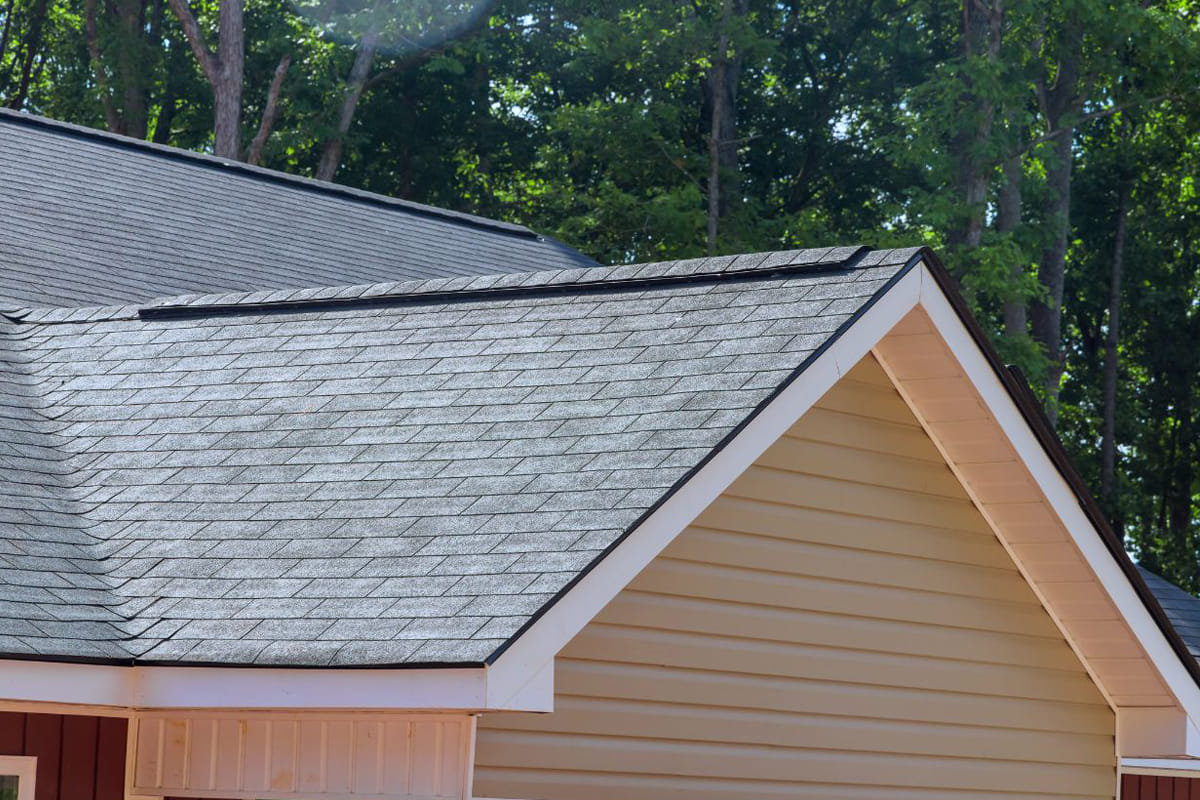
Asphalt shingles are especially common, and they are also easy to damage if the cleaning is too aggressive. Those shingles rely on protective granules, and blasting them off shortens the roof’s useful life fast. A gentle, controlled soft wash approach is usually the safer direction for stain removal, especially when algae streaks are part of the problem. Pressure washing asphalt is one of the fastest ways to turn a simple cleaning into premature replacement.
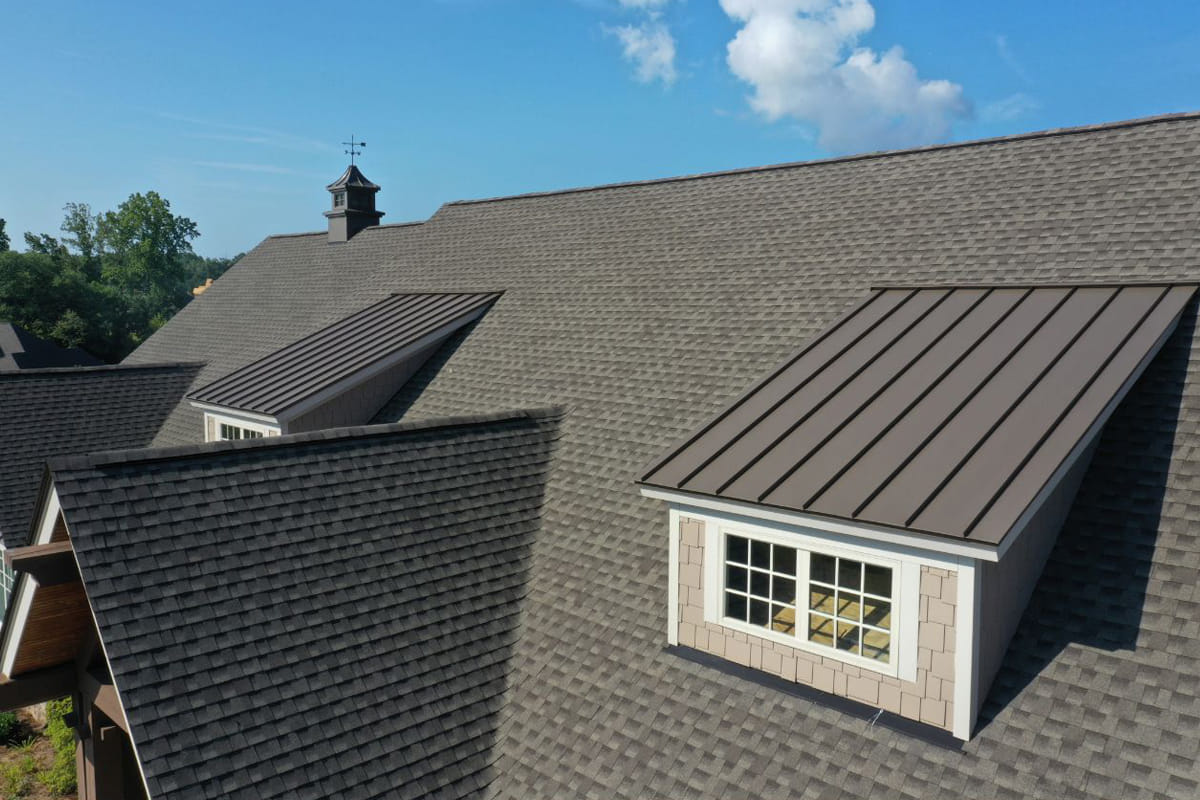
Metal roofing is tough, but it still needs the right approach if you want it to keep performing. The goal is to remove grime without scuffing coatings, loosening fasteners, or forcing water into seams and edges. A low-pressure rinse with the right cleaner can help restore the finish while protecting seals and trim. Metal roofs also get slippery when wet, which makes safety planning just as important as product choice.
Do Use Soft Washing for Most Residential Roofs
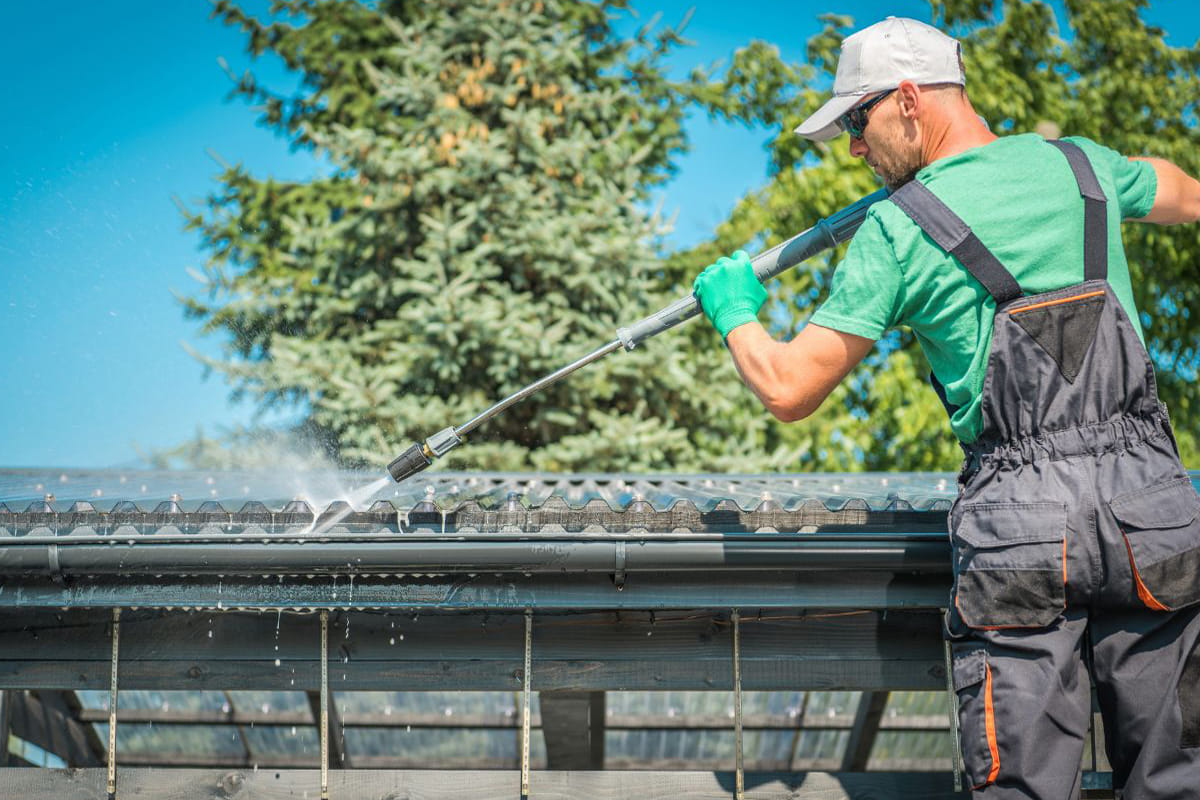
Soft washing is one of the best roof cleaning options for many Texas homes because it focuses on chemistry and controlled rinsing instead of brute force. The idea is to apply a cleaning solution that breaks down organic growth like algae, mildew, and grime, then rinse it away gently. This approach can improve appearance while reducing the risk of shingle damage and water intrusion. In hot Texas conditions, soft washing also helps prevent the “baked-on” look that sometimes comes back quickly after a rough rinse.
Soft washing still requires discipline, because stronger does not mean better when it comes to roof chemicals. Overly harsh mixes can discolor surfaces, damage landscaping, and create runoff problems that annoy your neighbors and stress your yard. Timing matters too, since the heat can cause solutions to dry too quickly and leave uneven results. A controlled process beats a rushed one every time, especially when the roof is already weathered from years of Texas sun.
Do Protect Landscaping and Manage Runoff
Roof cleaning in Texas usually means you are working around landscaping that has been fighting the heat all season, which makes it more sensitive than people think. Plants already under stress can burn faster if runoff carries cleaning solution down the walls and into beds. Covering sensitive plants and pre-wetting greenery helps reduce damage, while keeping rinse water directed away from roots and mulch can prevent chemical concentration. Even if you use mild products, runoff management should be part of the plan. Gutters and downspouts are another piece of the puzzle, because they control where water goes during cleaning. If the gutters are clogged, cleaning water can spill over edges and leave streaks on siding, windows, and brick. Downspouts that drain into flower beds can also create concentrated runoff in one spot, which is exactly how plants get damaged. A smart approach is to clear gutters first, then clean the roof, then rinse everything that might have caught overspray. Your roof looks better, and your yard survives the project.
Do Work Early, Work Smart, and Watch the Weather?
Texas roof cleaning is easiest when you work with the temperature instead of fighting it. Early morning is often the safest window, since surfaces are cooler, chemicals behave more predictably, and you avoid the worst heat exposure. Hot shingles can soften and scuff under foot traffic, and the risk of slips increases as sweat and humidity build up. Even on days that feel “nice,” roofs heat up faster than you expect.
Weather awareness also matters because Texas storms show up fast, especially in seasons when clouds build quickly in the afternoon. Wind can blow spray into places it should not go, and sudden rain can wash chemicals into landscaping before you can rinse properly. A calm, dry forecast gives you better control and more consistent results. If the weather looks unstable, waiting a day is usually smarter than forcing a roof cleaning project into a bad window.
Do Put Safety First Every Single Time
Roof cleaning can be dangerous even when you do everything “right,” because the combination of height, water, and slick surfaces is unforgiving. Falls happen fast, and the heat adds a layer of risk that makes people tired and less careful. A stable ladder setup, proper footwear, and a plan for how you move across the roof are non-negotiable. If the roof pitch is steep or the surface is questionable, staying off it is often the smartest decision.
Electrical awareness is another major safety piece that homeowners overlook. Cleaning near overhead lines, service masts, or areas where water could run toward electrical components creates obvious hazards. Wet roofs also change traction, especially on metal, tile, and shaded zones where algae is present. Safety is not just about being cautious, it is about recognizing when the job is beyond what a homeowner should attempt. If you are even slightly unsure, calling a professional is the safer move.
Do Know the Red Flags That Call for a Pro
Some roof cleaning situations are simple, and some are telling you something deeper is going on. If staining keeps returning quickly in the same area, there may be a drainage problem, ventilation issue, or roof component that needs attention. Heavy black streaks could be algae growth that spreads, while green patches might signal moisture retention from shade and trapped debris. Those problems can be addressed, but cleaning alone is not always the full solution. You should also bring in a pro if the roof is aging, has a history of leaks, or shows signs of storm damage. Texas hail can bruise shingles and loosen flashing in subtle ways, and cleaning water can expose those weaknesses. Tile roofs and specialty systems can also crack from improper foot placement, which is easy to do if you are not trained to move across them. When the stakes are high, professional roof cleaning protects both the roof and your budget.
8 Things You Should You Never Do When Cleaning a Roof
High pressure can strip granules, tear shingle edges, and shorten the roof’s lifespan. The roof might look cleaner for a moment, yet the damage shows up later as leaks and premature aging.
Strong chemicals can discolor roofing materials and ruin landscaping fast. Runoff can also stain concrete and irritate grass, especially in a hot Texas yard.
Cleaning a roof while drainage is clogged often makes the mess spread across siding and trim. Overflow also leaves streaking that makes the home look worse, even if the roof looks better.
Steep slopes, wet surfaces, and slick algae patches are a serious fall hazard. Safety gear helps, but it does not replace common sense about what is realistic for a homeowner.
Hard scrubbing can damage protective coatings and loosen materials, especially on older roofs. A gentle method that breaks down grime is usually safer and more effective.
High temperatures make surfaces more fragile and make chemicals harder to control. Sudden Texas weather shifts also create dangerous conditions faster than you can react.
Dark streaks can point to organic growth, while uneven discoloration can highlight drainage or ventilation problems. Cleaning without addressing the cause often leads to repeat staining.
Overspray and runoff can sit on windows, siding, and landscaping and cause damage. A thorough rinse protects the rest of the property and finishes the job correctly.
A Simple Roof Cleaning Checklist for Texas Homeowners
-
Inspect the Roof: Look for lifted shingles, cracked flashing, debris piles, and clogged gutters before you clean. Cleaning should never be the first step if the roof already shows damage.
-
Choose the Right Method: Soft washing is usually safer than pressure washing for most residential roofs in Texas. Match your approach to the roofing material instead of guessing.
-
Protect Landscaping: Pre-wet plants and cover sensitive areas so runoff does not burn leaves. Rinse greenery again after cleaning to reduce residue.
-
Clear Gutters First: Remove debris so rinse water drains correctly and does not spill onto siding. Proper drainage helps prevent streaking and keeps cleanup controlled.
-
Work in Cooler Hours: Start early to avoid peak heat and reduce slip risk on hot, slick surfaces. Cooler conditions also help cleaners work more evenly.
-
Rinse Thoroughly: Rinse roof sections and nearby surfaces so residue does not dry in place. Consistent rinsing improves the final look and reduces damage risk.
-
Recheck After Cleaning: Look for exposed areas, loose shingles, or flashing concerns you might have missed before. A post-clean review catches issues before they turn into leaks.
How Often Should You Clean Your Roof in Texas?
Most homeowners do not need constant roof cleaning, but Texas conditions can make buildup happen faster than expected. Homes near trees, in humid pockets, or in areas with heavy pollen may see staining return more often. In many cases, a light maintenance cleaning on a sensible schedule is better than waiting until the roof looks heavily streaked. Consistency helps you avoid aggressive methods that become tempting when stains get worse.
The best timing is usually based on what you see and what your neighborhood environment looks like. If you notice dark streaks forming, debris collecting, or water backing up near the gutters, that is your roof asking for attention. Roof cleaning in Texas is also a smart follow-up after storm seasons, since wind-driven debris can pile up in valleys and around roof features. A roof that is kept reasonably clean tends to drain better, look better, and age more predictably.
Roof Cleaning vs. Roof Repair, When Each One Matters
Roof cleanliness is not only about washing, it is also about reducing what causes buildup in the first place. Trimming overhanging branches helps sunlight hit shaded areas and reduces debris accumulation. Cleaning gutters regularly prevents overflow staining and keeps drainage moving the way it should. Small maintenance choices can stretch the time between roof cleanings and keep your home looking sharper year-round.
Ventilation also plays a subtle role, because heat and moisture trapped in the attic can contribute to how roofing materials age and how stains develop. If certain areas of the roof always look worse, the problem might not be dirt alone. Sometimes the roof needs airflow improvements, drainage adjustments, or minor repairs that stop repeat staining. A long-term approach makes roof cleaning in Texas feel less like a recurring battle.
Choose the Right Help, Not the Lowest Bid
Hiring a roof cleaning company should feel like you are hiring someone to protect your home, not just rinse off a surface. The right team understands roof materials, uses safe methods, and takes runoff seriously. Texas roofs represent a major investment, and a cheap job that damages shingles or forces water into seams is not a bargain. A professional approach is careful, methodical, and focused on long-term durability.
Clear communication matters too, because you should understand what method is being used and why. A reputable contractor can explain how they protect landscaping, how they avoid surface damage, and what they will do if they find an issue during the process. If someone seems too casual about blasting the roof with high pressure, that is a red flag. Roof cleaning should leave the roof healthier, not weaker.
Get a Safer, Longer-Lasting Clean With Martin Pitts Construction
Martin Pitts Construction helps homeowners make the right call on roof cleaning in Texas, whether you need a gentle refresh, a deeper clean, or guidance on what your roof is really telling you. A professional eye can spot early issues, choose the safest approach for your roof type, and protect the rest of your property in the process. If you are ready to clean up your roof without risking damage, reach out to Martin Pitts Construction and get a plan that keeps your home protected and looking sharp.
Get in touch with us today:
Call us at 817-750-2900



Martin Pitts
Roofing & Construction
Serving the Keller / Fort Worth Area
5613 Bowie St.
Watauga, TX 76148
Areas Served
© 2026 All Rights Reserved | Privacy Policy | Martin Pitts Construction