
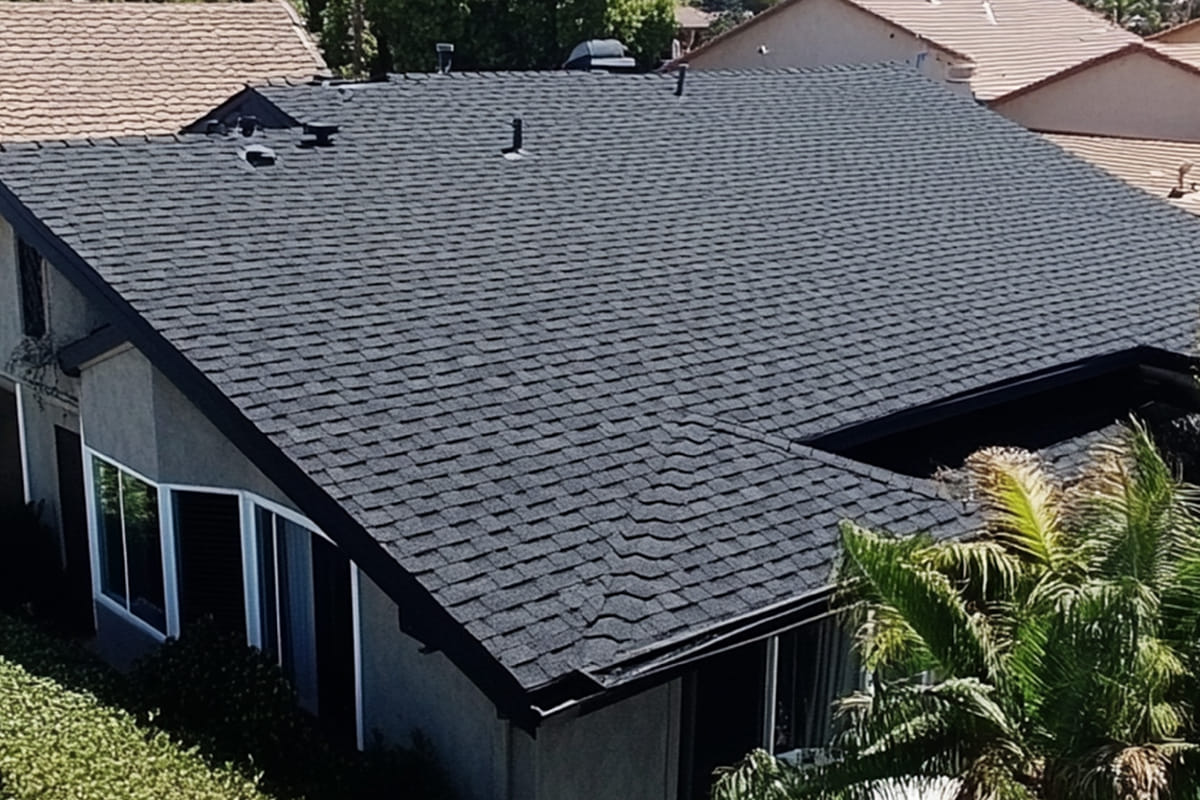
Types of Roofing Materials for Texas Homes
Choosing the right roofing material in Texas is not just about aesthetics or cost, it is about survival in one of the most demanding climates in the country. Homes across the state face relentless sun exposure, sudden hailstorms, high winds, and seasonal temperature swings that can quickly wear down inferior materials. A roof that performs well in another region may fail much sooner in Texas, which is why making the right decision upfront matters more than most homeowners realize.
In this guide, we will walk through the most common types of roofing materials used on Texas homes, including asphalt shingles, metal roofing, tile, slate, and modern flat roofing systems. You will learn how each option performs in real Texas conditions, what trade-offs to expect, and how to match your choice to your long-term goals so you can invest confidently in your home.

Factors to Consider When Choosing a Roof in Texas
Texas weather is the defining factor in nearly every roofing decision, and it often separates materials that look good from those that actually last. Hailstorms can crack or dent roofing surfaces, while strong winds can lift poorly installed systems, creating openings for water intrusion that lead to expensive damage. At the same time, prolonged sun exposure and heat can cause materials to expand, fade, and degrade faster than expected, especially if they are not designed to handle high temperatures.
Energy efficiency plays a major role in roofing choices across Texas, where cooling costs can dominate utility bills for much of the year. Certain roofing materials reflect sunlight better than others, reducing heat absorption and lowering indoor temperatures, which can translate into meaningful long-term savings. Homeowners who prioritize efficiency often look beyond upfront cost and consider how the roof contributes to overall home performance.
Lifespan versus cost is another key trade-off that requires careful thought, especially when comparing materials like asphalt shingles to metal or tile. While shingles are affordable and widely used, they typically need replacement sooner than higher-end materials, which may cost more upfront but last decades longer. Understanding how long you plan to stay in your home can help determine whether a lower initial investment or a long-term solution makes more sense.
Neighborhood guidelines and HOA restrictions can also influence what roofing materials are allowed, particularly in planned communities or upscale developments. Some areas require specific colors, profiles, or materials to maintain a consistent look, which can limit your options even if another material might perform better. It is always wise to check these requirements early to avoid costly changes later.
Resale value is often overlooked during the decision-making process, yet it can significantly impact how buyers perceive your home. A durable, visually appealing roof can improve curb appeal and signal that the home has been well maintained, which can help justify a higher asking price. On the other hand, a roof nearing the end of its lifespan can become a negotiation point that reduces your return.
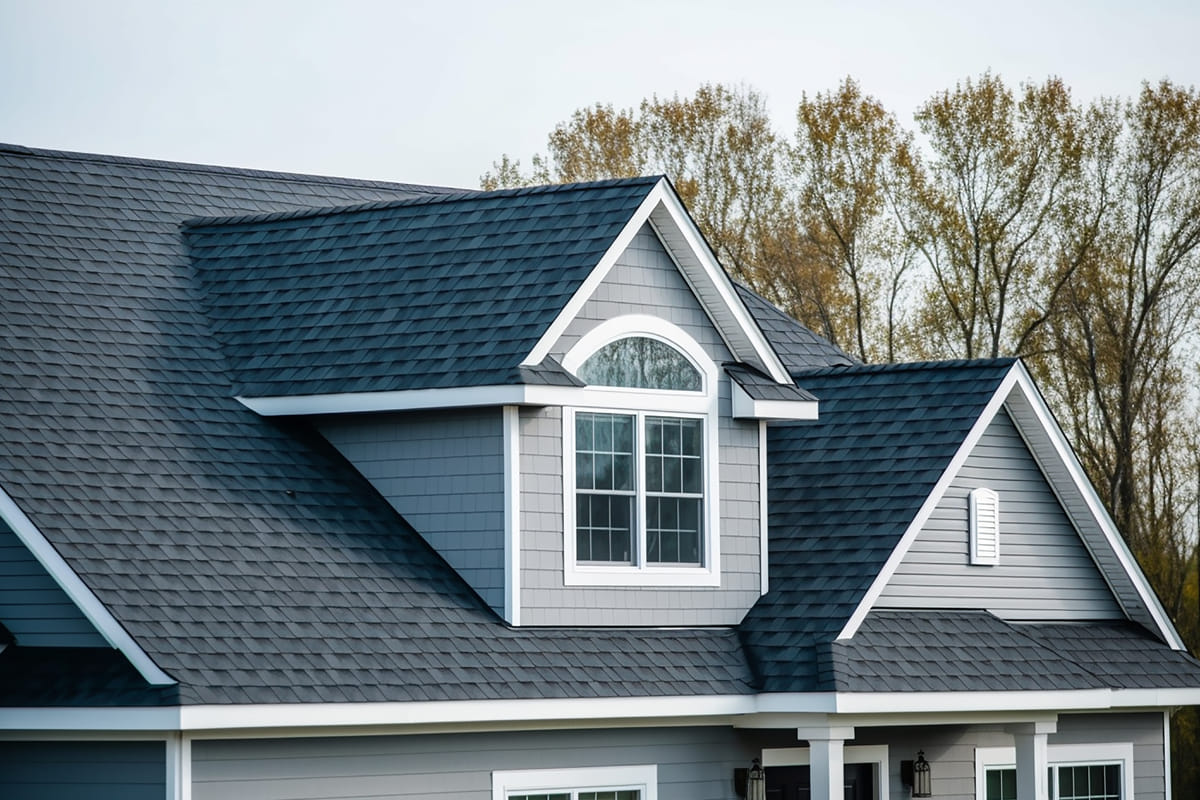
Asphalt Shingle Roofing in Texas
Asphalt shingles remain the most common roofing material across Texas, largely because they offer a practical balance between affordability and performance. They are widely available, relatively easy to install, and come in a variety of colors and styles that can complement almost any home design. For many homeowners, shingles represent the most accessible entry point into reliable roofing without a large upfront investment
One of the biggest advantages of asphalt shingles is their cost-effectiveness, especially for homeowners who need to replace a roof quickly or are working within a defined budget. Installation tends to be faster compared to more complex materials, which helps reduce labor costs and overall project timelines. Their availability also means repairs and replacements can be handled efficiently without long delays for materials.
However, shingles do come with limitations that are important to understand in a Texas environment. They generally have a shorter lifespan than materials like metal or tile, particularly when exposed to intense sun and repeated storm activity. Hail can damage the surface granules or crack individual shingles, which may require ongoing maintenance or earlier replacement than expected.
For homeowners who want a dependable and budget-friendly option, asphalt shingles continue to make sense, especially when paired with proper installation and regular inspections. They are particularly well suited for those who plan to stay in their home for a moderate timeframe or who prioritize upfront savings over long-term durability. With newer impact-resistant options available, shingles can still perform well when chosen carefully.
Metal Roofing in Texas
Metal roofing has grown significantly in popularity across Texas, and it is easy to see why once you understand how well it performs in extreme conditions. Designed to withstand high winds, resist hail damage, and reflect sunlight, metal roofs offer a level of durability that appeals to homeowners who want long-term peace of mind. While the upfront cost is higher than shingles, the extended lifespan often makes it a smart investment over time.
Energy efficiency is one of the standout benefits of metal roofing, particularly in regions where cooling costs can become overwhelming during the summer. Reflective coatings help reduce heat absorption, allowing homes to stay cooler without relying as heavily on air conditioning systems. Over the life of the roof, these savings can help offset the initial installation cost.
There are several types of metal roofing to consider, including standing seam systems and metal shingles, each offering different aesthetic and performance benefits. Standing seam roofs provide a sleek, modern appearance with concealed fasteners that enhance durability, while metal shingles mimic traditional materials like wood or slate while delivering the strength of metal. This flexibility allows homeowners to achieve their desired look without sacrificing performance.
Although metal roofing requires a larger initial investment, its resistance to common Texas weather challenges makes it an appealing choice for long-term homeowners. It is particularly well suited for those who want to minimize maintenance, reduce energy costs, and avoid frequent roof replacements. For many, the combination of durability and efficiency makes metal roofing one of the most practical options available.
Tile Roofing in Texas
Tile roofing is often associated with upscale homes and Mediterranean-style architecture, and it brings both visual appeal and long-term durability to Texas properties. Whether made from clay or concrete, tile roofs are known for their ability to withstand harsh weather conditions while maintaining their appearance over decades. This makes them a popular choice in neighborhoods where aesthetics and longevity are equally important.
One of the key advantages of tile roofing is its resistance to fire, rot, and insect damage, which adds an extra layer of protection for homeowners. Tiles also perform well under intense sun exposure, maintaining their color and structural integrity even in prolonged heat. Their natural thermal properties can help regulate indoor temperatures, contributing to improved energy efficiency.
Despite these benefits, tile roofing does come with considerations that should not be overlooked, particularly regarding weight and structural requirements. Tile systems are significantly heavier than other materials, which means the underlying structure may need reinforcement before installation. This can add to the overall cost and complexity of the project.
For homeowners who value both durability and architectural character, tile roofing offers a compelling option that stands out in the Texas landscape. It is best suited for those who are prepared for the higher upfront investment and want a roof that delivers both performance and visual impact. When installed correctly, tile roofs can last for decades with minimal maintenance.
Slate Roofing in Texas
Slate roofing represents one of the most premium options available, offering a level of durability and natural beauty that few materials can match. Each slate tile is crafted from natural stone, giving it a distinctive appearance that enhances the overall character of a home. For those seeking a high-end roofing solution, slate often becomes the benchmark against which other materials are compared.
The longevity of slate roofing is one of its most impressive features, with many systems lasting 75 years or more when properly maintained. This makes it one of the longest-lasting roofing materials available, providing long-term value despite its higher initial cost. Slate is also highly resistant to fire, weather, and environmental wear, making it a reliable choice in challenging climates.
However, the cost and weight of slate roofing can limit its practicality for some homeowners, especially when structural modifications are required to support the material. Installation also requires specialized expertise, which can further increase the overall investment. Availability may vary depending on location, adding another layer of consideration.
For luxury homes or properties where long-term durability and timeless aesthetics are priorities, slate roofing offers an unmatched combination of performance and elegance. It is best suited for homeowners who are willing to invest in a premium solution that delivers lasting value and visual distinction.
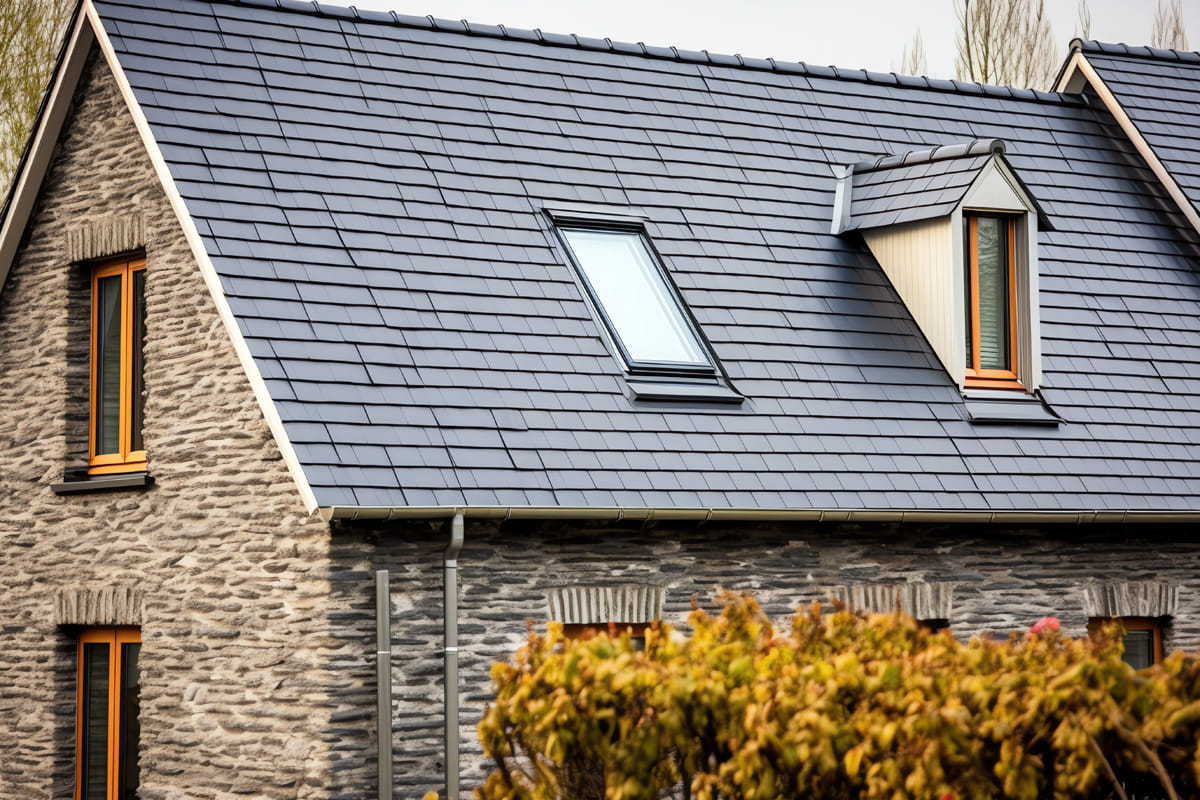
Flat and Low-Slope Roofing Options
Flat and low-slope roofing systems are more commonly associated with commercial buildings, but they are increasingly being used in modern residential designs across Texas. These systems rely on specialized materials such as modified bitumen, TPO, and EPDM to create a watertight surface that can handle minimal drainage conditions. Their clean, contemporary look makes them appealing for certain architectural styles.
Modified bitumen offers a durable, layered approach that performs well under foot traffic and varying weather conditions, making it a practical option for low-slope applications. TPO roofing provides a reflective surface that helps improve energy efficiency, while EPDM offers flexibility and resistance to temperature fluctuations. Each system has its own strengths, allowing homeowners to choose based on performance needs and budget.
While flat roofing systems can be highly effective, they require precise installation and regular maintenance to prevent water pooling and leaks. Drainage design becomes especially important, as standing water can shorten the lifespan of the material if not addressed properly. Working with experienced professionals is essential to ensure long-term performance.
For homeowners interested in modern design or unique architectural features, flat and low-slope roofing systems can provide both functionality and visual appeal. When installed correctly, they offer a reliable solution that aligns with contemporary home styles while meeting the demands of Texas weather.
Energy-Efficient and Cool Roof Options
Energy-efficient roofing has become a priority for many Texas homeowners, especially as utility costs continue to rise and summers become increasingly intense. Cool roofing materials are designed to reflect more sunlight and absorb less heat, helping to maintain lower indoor temperatures. This not only improves comfort but also reduces the strain on air conditioning systems.
Reflective shingles and coatings are among the most accessible options for homeowners looking to improve energy efficiency without switching to a completely different roofing material. These products are engineered to reduce heat buildup, making them a practical upgrade for existing homes. Solar-integrated roofing systems take efficiency a step further by generating electricity while protecting the home.
The long-term savings associated with energy-efficient roofing can be significant, particularly in a climate where cooling costs dominate annual energy use. While some options may require a higher upfront investment, the reduction in utility bills and potential incentives can help offset the cost over time. For many homeowners, the combination of performance and savings makes energy-efficient roofing a smart choice.
Comparing Roofing Materials Side by Side (2026)
When comparing roofing materials, it helps to look at key factors such as lifespan, cost, durability, and energy efficiency in a simplified format. Asphalt shingles typically offer a lifespan of 15 to 30 years and are the most budget-friendly option, but they may require more frequent repairs in storm-prone areas. Metal roofing can last 40 to 70 years, with excellent durability and energy performance, though it comes with a higher initial cost.
Tile roofing often ranges from 50 to 100 years in lifespan, providing strong durability and aesthetic appeal, while slate can exceed 75 years and deliver unmatched longevity. Flat roofing systems vary depending on the material but generally fall within the 20 to 40-year range when properly maintained. Energy efficiency varies across all materials, with metal and cool roofing options typically leading the way.
Understanding these differences allows homeowners to make informed decisions based on their priorities, whether that is minimizing upfront cost or maximizing long-term value. Each material offers a unique combination of benefits and trade-offs, which is why comparing them side by side can simplify the decision-making process.
Insurance considerations often play a larger role in roofing decisions than many homeowners initially expect, particularly in a state where severe weather is common. Some insurance providers offer discounts for impact-resistant roofing materials, which can reduce premiums over time. This makes materials like metal roofing and certain upgraded shingles more attractive from a financial perspective.
Choosing a durable roofing material can also reduce the likelihood of filing claims, which helps maintain lower insurance costs in the long run. Roofs that perform well under hail and wind conditions are less likely to sustain damage, reducing both repair expenses and potential disruptions. This added layer of protection can provide peace of mind for homeowners in storm-prone areas.
While not all materials qualify for discounts, it is worth discussing options with your insurance provider before making a final decision. Understanding how your choice impacts coverage and premiums can help you balance upfront costs with long-term savings.
Roofing costs in Texas can vary widely depending on the material, home size, and complexity of the installation, but general price ranges can help set expectations. Asphalt shingles are typically the most affordable option, often ranging from lower to mid-tier pricing per square when installed. Metal roofing sits at a higher price point, reflecting its durability and extended lifespan.
Tile and slate roofing represent premium investments, with costs increasing significantly due to material weight, installation complexity, and structural requirements. Flat roofing systems fall somewhere in between, depending on the specific material used and the design of the roof. Labor costs, underlayment, and additional features can also influence the final price.
Because every home is different, the best way to understand your exact cost is to request a professional estimate based on your specific needs. Factors such as roof pitch, accessibility, and existing structural conditions can all impact pricing, making personalized assessments essential.
The best roofing material ultimately depends on your priorities, budget, and how long you plan to stay in your home. Homeowners looking for an affordable and reliable option often choose asphalt shingles, while those seeking long-term durability and energy efficiency may lean toward metal roofing. Tile and slate appeal to those who value aesthetics and longevity, particularly in higher-end properties.
There is no universal answer that fits every situation, which is why it is important to consider your specific goals and circumstances. A roof that works perfectly for one homeowner may not be the best choice for another, especially when factors like budget, design preferences, and maintenance expectations come into play. Taking the time to evaluate each option ensures a decision that aligns with your needs.
Work With a Trusted Keller Roofing Company
Choosing the right roofing material is only part of the equation, as proper installation plays an equally important role in long-term performance. Martin Pitts Construction brings local expertise and hands-on experience to every project, helping homeowners navigate the complexities of roofing in Texas. From initial consultation to final installation, their team focuses on delivering results that stand up to the region’s toughest conditions.
With a deep understanding of Texas weather and roofing requirements, Martin Pitts Construction offers guidance tailored to each home and homeowner. Their commitment to quality workmanship and reliable service ensures that your investment is protected for years to come. Whether you are replacing an aging roof or building something new, having the right team makes all the difference.
Get in touch with us today:
Call us at 817-750-2900


Martin Pitts
Roofing & Construction
Serving the Keller / Fort Worth Area
5613 Bowie St.
Watauga, TX 76148
Areas Served
© 2026 All Rights Reserved | Privacy Policy | Martin Pitts Construction